Sensitive, Itchy or Flaky Scalp: A Clear Product-Introduction Plan
Make new scalp care easier to evaluate with one product at a time, a simple exposure record and a clear response to irritation.
Topic: Scalp Care Guides: Washing, Serums and Buildup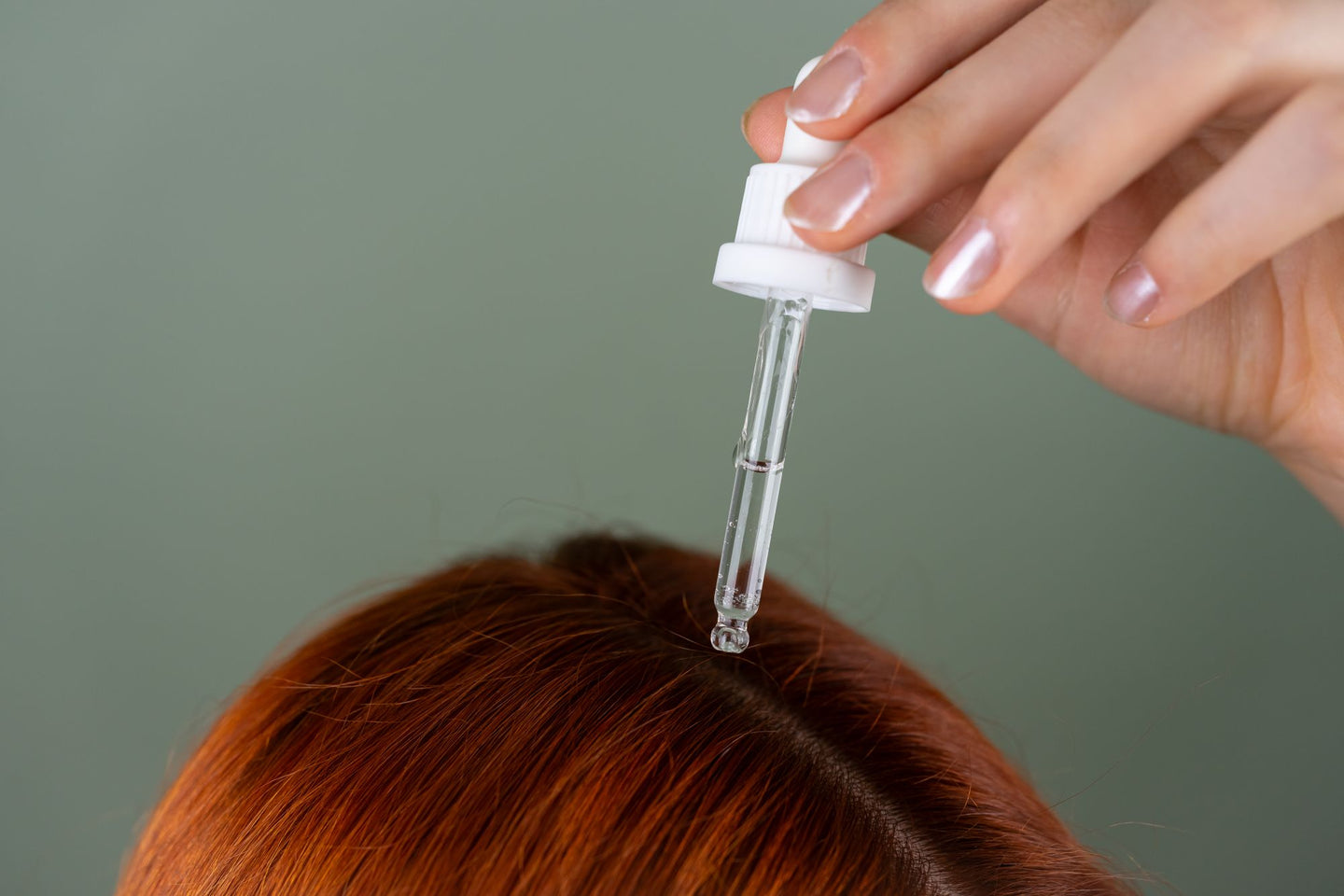
If you have sensitive skin, the first useful feature of a scalp routine is clarity. You should know what changed, what you applied and what happened afterwards. Introducing a complete kit on the same evening may feel decisive, but it makes an uncomfortable result much harder to interpret.
Changing one product at a time is a practical way to preserve that clarity. It is not a clinical test that can guarantee tolerance or identify an allergy. A history of significant reactions may require professional advice before another product experiment begins.
Reddit readers have described the frustration of scalp products that seem to alternate between a dry feeling and greasy roots. The concern is not solved by assuming that a richer formula is always gentler or that a fresh sensation proves the skin likes it.
Start with your own history, not a sensitive label
Write down products or services associated with previous discomfort: shampoo, hair dye, fragrance, adhesives, leave-ins, scalp oils or salon treatments. Include the sensation and timing rather than just making a list of ingredients you suspect.
If a clinician has identified an allergy, use that specific information when reviewing a label. Do not substitute a general sensitive-skin claim for the avoidance advice you were given. If the product's full ingredient information is unavailable, that is a reasonable reason to choose something else or ask.
A product described as natural can still be an exposure that your skin does not tolerate. Ingredient origin and cosmetic safety Likewise, absence of one ingredient category does not guarantee that the entire formula suits you. The finished product and your history matter more than a simple good-ingredient versus bad-ingredient rule.
NHS guidance describes irritant and allergic contact reactions, including reactions that are delayed. Contact dermatitis symptoms A comfortable first use therefore does not prove permanent tolerance. Equally, discomfort does not identify a particular ingredient without further assessment.
Establish a quiet starting point
If the scalp is currently burning, broken, painful or inflamed, do not begin with a new cosmetic leave-in. Seek advice about the active symptoms. A routine intended for healthy-looking hair should not be used to push through a reaction.
For a comfortable scalp, identify the products you already tolerate and keep them stable. This gives the new item a clear place in the routine. Do not schedule a new shampoo, new scalp serum and a coloring appointment together if you are trying to understand tolerability.
Choose the most relevant single job. Do you need a cleanser that rinses comfortably, or are you considering a leave-in for cosmetic scalp care? Those are different decisions. A full product system is not necessary to answer the first one.
Keep the product packaging and instructions. If a reaction develops, the exact label can be more useful than a website screenshot showing only the product's marketing ingredients. Formulas and names can change, so preserve the information from the item you used.
Before, during and after the first use
Before: choose one job and one product. If you need a cleanser, do not introduce a new serum at the same time. Keep familiar tolerated care stable and avoid coinciding with an optional new coloring or adhesive service when you are trying to understand the product's effect.
Read the full label, including warnings and ingredients. A headline ingredient list is not the whole formula. If the label specifies a preliminary test, follow its method; a history of severe or recurrent reactions deserves professional advice rather than an invented home patch-test schedule.
During: use the product as directed. A rinse-off shampoo belongs in an ordinary wash and rinse, not an extended treatment session. A leave-in should have its labeled placement and frequency. More product, stronger rubbing or a second daily application makes the exposure different without providing a reliable answer about benefit.
After: notice both the skin and the hairstyle. A heavy finish may be inconvenient without being a reaction. Burning, rash or persistent itch is a skin concern, not merely a styling drawback. Keep those outcomes separate so the response matches the problem.
| What happens | Practical response |
|---|---|
| Comfortable skin and a useful finish | Keep the rest stable and use according to the label |
| Comfortable skin but roots feel heavy | Review placement and whether the formula suits your style |
| New irritation | Stop the optional product and preserve the label |
| Significant or worsening symptoms | Seek appropriate medical advice |
| Uncertainty involving a prescribed topical | Contact its prescriber or pharmacist about the plan |
Make a short note of the exact product, date, application area and any new change. You do not need hourly inspections or to reapply a suspected irritant to create stronger proof. A clear exposure history helps a clinician investigate without requiring you to identify an ingredient yourself.
A comfortable first use is encouraging but does not guarantee permanent tolerance, because some reactions can be delayed. Keeping the introduction simple preserves the information needed if symptoms develop later. The goal is a usable routine and a sensible response, not passing a one-night safety test.
Know what changes the plan
Stop an optional product that causes irritation. Do not relabel burning, itching or a rash as a necessary adjustment or a purge. Cosmetic scalp products do not earn an exception because you hope they will eventually make hair look fuller.
Seek prompt advice for significant symptoms, especially worsening pain, discharge, spreading discomfort or feeling unwell. NHS guidance identifies severe reactions and possible infection signs as reasons for immediate medical advice. A new product does not have to be conclusively blamed before help is appropriate.
If prescribed treatment is part of the routine, contact the prescriber or pharmacist about symptoms and layering. Do not assume that pausing an optional cosmetic and changing a medication are the same decision. Ask what you can safely keep using while the scalp is assessed.
Persistent or recurring itch with hair loss also deserves review. A clinician may need to consider more than product sensitivity. Keeping the exposure history clear helps that assessment without requiring you to name the condition yourself.
Build a routine that respects fine hair too
Sensitive skin and fine hair can create a practical conflict: a formula feels rich or comforting but leaves roots too heavy for your usual style. You can acknowledge that usability problem without declaring that the product is harmful or that your hair is dirty.
Check placement first. A conditioner for lengths may not need to sit at the roots. A scalp product needs access to skin rather than coating the outer layer of hair. Follow each label; do not solve a placement problem by adding another cleanser automatically.
If you dislike the finish, record that separately from irritation. Greasiness is a cosmetic experience; burning or a rash is a skin concern. Separating the two gives you a more useful reason to keep, stop or replace a product.
How can you add comfort without coating the roots?
First locate the dryness: tight-feeling scalp skin, rough lengths and visible scale call for different questions. If the lengths are dry but the roots become greasy, place the conditioner where those lengths need slip and keep heavy styling layers away from the root area. If the skin itself stays uncomfortable, record itch, redness, flakes and the timing after washing. A shiny root is not a reliable measure of skin hydration.
For a cosmetic scalp product you choose to try, use the directions for that finished product, part the hair to reach the intended area and introduce one change at a time. Note comfort after it has dried and whether the next wash removes it normally. If it leaves the hair coated, that is useful information about finish and placement, not a reason to scrub or add an exfoliant. Avoid applying an unfamiliar fragranced oil to sore or damaged skin.
Persistent discomfort, a rash or a changing hair pattern deserves a clearer assessment before more product layers. The AAD diagnostic approach uses the skin findings and history; it does not let dryness alone identify dandruff, allergy or hair-loss cause. Read the assessment record. Keep any medicine's application and compatibility instructions separate from this cosmetic trial.
Choose the Folivis role that meets the immediate need
Folivis RESET Hair Thickening Shampoo is a 300 mL rinse-off cleanser with niacinamide and panthenol for fine hair, excess oil and residue. It may be the relevant first choice if cleansing is the gap. Apply to wet hair and scalp, massage gently and rinse thoroughly, repeating only if needed under the label. Avoid eyes and stop if irritation occurs.
For someone who wants an optional leave-in scalp step, Folivis SUPPORT Hair Growth Serum is a lightweight 60 mL formula with three peptides, caffeine and niacinamide for a healthier-looking scalp and fuller-looking hair. Apply once daily to clean, dry or towel-dried scalp, part to reach the areas of concern and massage gently without rinsing. Keep the dropper tip off skin and surfaces and recap.
SUPPORT is not for broken or irritated skin and must be stopped with irritation. Neither product's familiar ingredients or intended role guarantees individual tolerance. Starting with the relevant one makes your experience easier to interpret than changing both at once.
You can choose useful care without committing to the full System. Once the immediate role is met comfortably, any additional step should have its own purpose and fit the same clear introduction process.
Leave room to decline the next step
A routine is successful when it is useful, tolerable and repeatable. You do not have to keep adding products once the main job is done. If a new item provides no worthwhile benefit or creates discomfort, choosing a simpler routine is a valid result.
When uncertainty persists, bring the short history and labels to a professional. Clear information is more valuable than another month of unexplained reactions, and a careful purchase decision includes the freedom to wait.
Include the salon visit in your exposure history
When flaking or itching changes around a colour appointment, the useful record includes more than the shampoo you bought afterward. Note the service date, the products used if you can obtain their names, and when the discomfort began. Include styling sprays, adhesives or treatments applied near the skin.
Contact dermatitis can follow exposure to a product, and NHS dandruff guidance includes it among the conditions that can produce an irritated, flaky scalp. That does not mean every reaction after a salon visit has the same cause. The sequence simply gives a pharmacist or clinician a clearer starting point.
Ask the salon for the actual product names rather than a description such as “sensitive colour.” Keep the ingredient-label photographs with your symptom note. Avoid repeating the same service to test the theory while the skin is uncomfortable. Blistering, swelling or a spreading reaction calls for prompt medical advice; breathing difficulty is an emergency.
Once the skin is comfortable and the cause has been discussed, plan how the next service will be approached. A documented product history is useful for that decision. It is more practical than permanently avoiding every cosmetic ingredient that appears on an online list.