Can Scalp Buildup Cause Hair Loss or Make Hair Look Thinner?
Understand how scalp buildup changes the appearance of roots and distinguish a cleansing problem from persistent shedding or thinning.
Topic: Scalp Care Guides: Washing, Serums and BuildupScalp buildup can make hair look thinner by coating roots, flattening lift and grouping strands so that more scalp is visible between them. Removing oil and product residue may improve that appearance. Persistent thinning, continued unusual shedding or inflamed skin is a separate question. The useful approach is to evaluate the cleansing result and the longer-term coverage change independently, rather than expecting one wash to establish what is happening inside a follicle.
Why coated roots expose more scalp
Imagine a handful of strands spread evenly across a surface, then gathered into a few groups. The number of strands can stay the same while the gaps become easier to see. At the roots, oil, water and styling products can change how the hair gathers and sits. A flat finish also removes some of the lift that normally contributes to visible fullness.
This is especially noticeable along a part and around the crown, where hair naturally separates. Bright overhead light can emphasise the gaps. A person may therefore see a wider-looking line late in the wash cycle even though a fresh, dry finish looks familiar. The appearance change is real; the explanation is not automatically hair loss.
What buildup actually means in your routine
Buildup is a practical description of a coating or residue. It can include sebum, dry-shampoo powder, finishing products and leave-ins that have accumulated since the last complete wash. A loose white particle does not identify which of those materials is present. Flaking skin may also look similar.
Review the last few applications rather than only the newest bottle. A root concealer before work, dry shampoo after exercise and finishing spray at night can create a different total finish from any one product alone. You do not have to decide that an ingredient is harmful to recognise that the combination feels heavier than you want.
The American Academy of Dermatology explains that dry shampoo absorbs oil but does not replace washing with shampoo and water. It also notes that material left on the hair and scalp can cause problems. This supports a clear product role: use appearance aids as directed and include complete removal in the routine.
Make a fair before-and-after wash comparison
Take one view of the part or crown before washing, then repeat after the hair is fully dry. Keep the light and angle similar. The comparison answers whether removing the coating changes the finish. It is not a before-and-after growth result, because the time between the views is too short to establish new coverage.
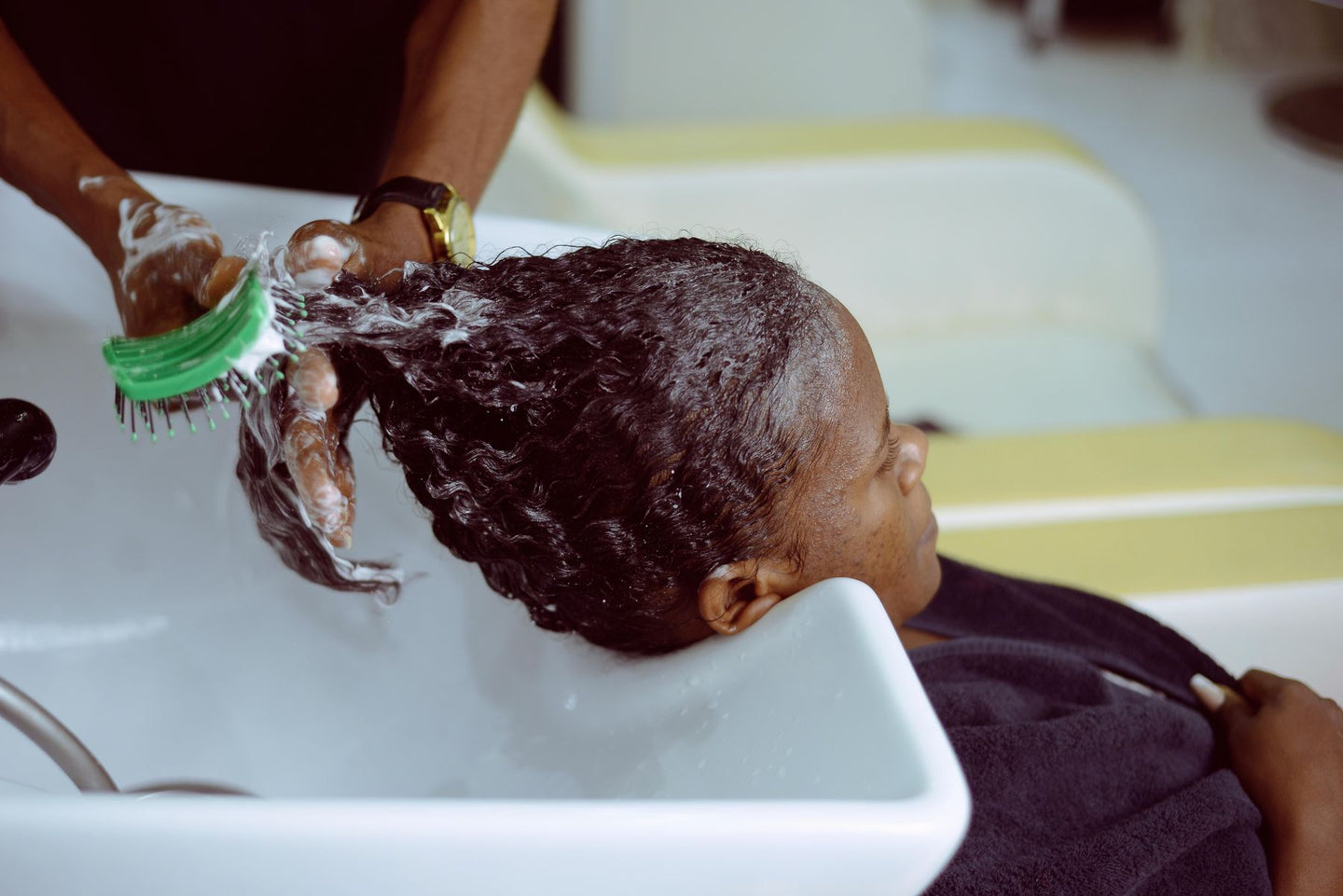
Wet the scalp beneath the hair, massage a tolerated cleanser gently at the roots and rinse thoroughly. Pay attention to the nape, behind the ears and dense sections. Make access with the fingers rather than scrubbing harder with nails. Condition the lengths if they need slip and complete your ordinary drying routine.
Then describe the result: “roots feel lighter and separate more evenly,” “the coating remains,” or “the hair feels clean but the part still looks different.” Each description leads to a more useful next step than deciding that the wash either cured or failed to cure hair loss.
Use two separate comparisons
| Comparison | What it can show | What follows |
|---|---|---|
| Before and after the same wash. | How cleansing changes the coated feel and finish. | Adjust product layering and rinsing if needed. |
| Clean, dry views across different dates. | Whether a coverage change remains under similar conditions. | Discuss persistent thinning or progression. |
| Scalp comfort before and after a routine change. | Whether itch, burning or soreness continues. | Review the skin concern rather than escalating cleansing. |
Keeping the comparisons separate prevents an easy mistake. If a wash improves lift, it can be a good cleanser result without proving that growth has changed. If the hair remains less full, it does not mean the cleanser was useless; it may have removed residue while leaving a different issue to investigate.
A simple example: powder, oil and the part line
Consider a person with fine hair who extends wash days using dry shampoo. The first application adds useful texture. Repeated applications leave the roots less flexible and the part more obvious in bright light. A deliberate wash clears the coated feel, but the person still wants to know whether the part has gradually changed over the past year.
There are two valid jobs here. First, simplify the product cycle so that oil and powder do not become an uncomfortable layer. Second, take matched clean-hair photographs and seek assessment if coverage keeps changing. Buying a stronger scrub does not answer the second question, and abandoning washing does not make the first easier.
When flakes are a skin question
Recurring itchy scale is not always ordinary product residue. NHS guidance lists several conditions that can resemble dandruff, including seborrhoeic dermatitis, contact dermatitis and psoriasis. Painful or inflamed areas, a rash elsewhere or symptoms that persist despite appropriate care deserve a closer look.
Use a labeled dandruff product when that is the relevant concern and follow its actual directions. Do not keep scraping the scalp until every visible particle disappears. If there are patches of hair loss, significant discomfort or a worsening skin change, arrange assessment rather than extending a cosmetic cleansing experiment.
The dandruff and hair-loss guide explains how to track scalp comfort separately from shedding. If product layers are the main issue, use the full buildup guide for a more detailed wash and layering plan.
Choose Folivis for the job you want done
Folivis RESET Hair Thickening Shampoo gives cleansing a defined place in the routine. The 300 mL rinse-off formula is designed for fine hair and oily scalps, with niacinamide and panthenol among its ingredients. Use it to remove excess oil and everyday buildup, then judge how comfortably it cleanses and rinses.
Apply to wet hair and scalp, massage gently and rinse thoroughly. Keep conditioning care where the lengths need it. A scalp-focused wash does not require rough handling of the ends or a tight feeling afterward. The benefit you are seeking is a cleaner foundation for the next step.
Folivis SUPPORT Hair Growth Serum is that separate once-daily cosmetic scalp-care option. Apply its three-peptide, caffeine and niacinamide formula directly to a clean, dry or towel-dried scalp and leave it in. Product placement matters: use partings to reach the skin instead of leaving most of the formula on the outer hair.
Finish with one useful decision
If a deliberate wash and lighter layering restore the finish you expect, keep the routine simple and comfortable. If a wider part remains across clean, dry comparisons, read why a part can become wider and arrange an assessment when the change persists. If the skin is uncomfortable, make that the priority.
A good cleansing routine and a clear hair-loss plan can coexist. Separating them lets each one do its job, gives you a more honest way to judge progress and prevents a manageable residue issue from turning into an endless search for a stronger product.