Does Hard Water Cause Hair Loss or Breakage? What to Check
Separate rough, coated lengths from a changing part, compare the laboratory evidence and decide whether a water device solves the problem you actually have.
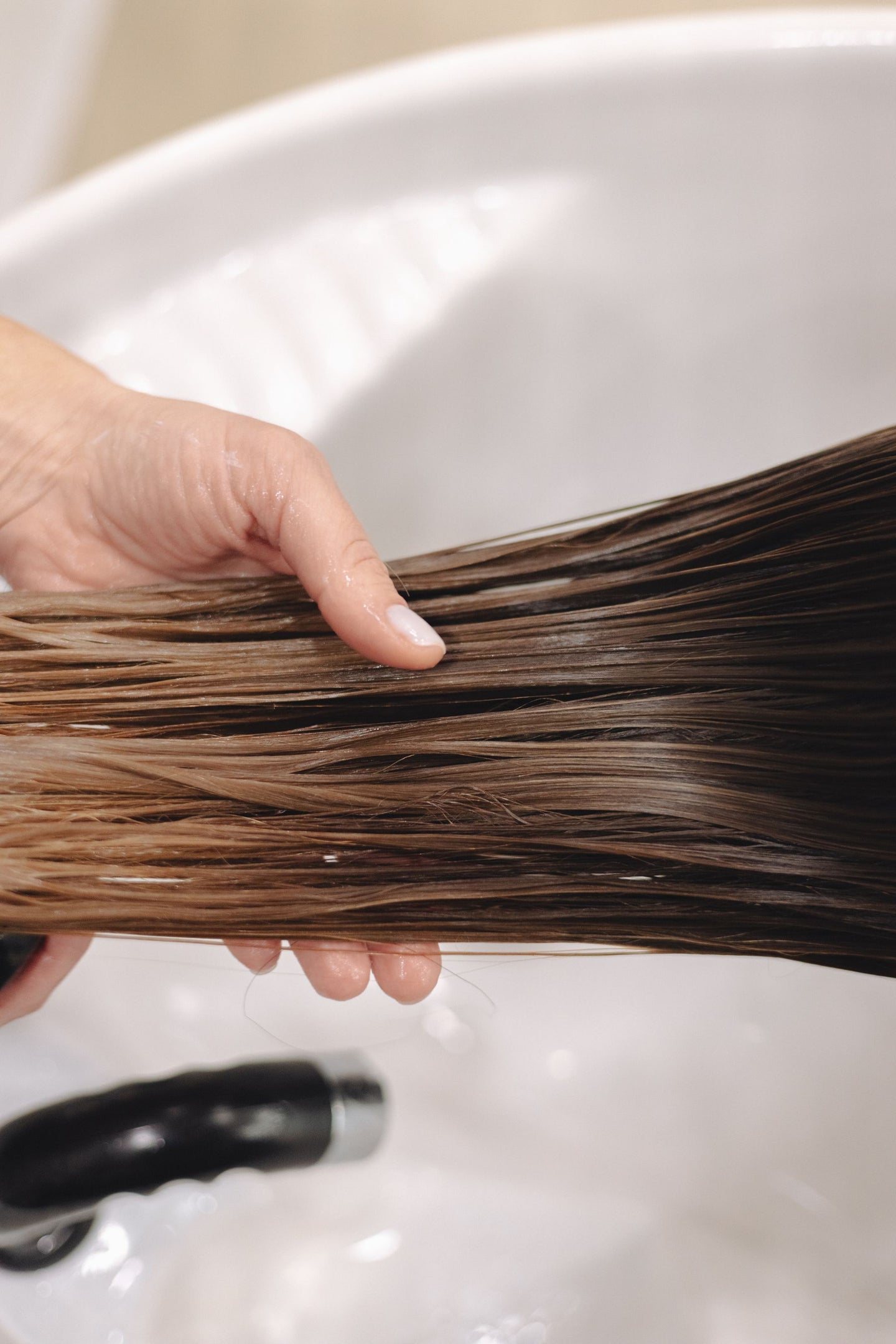
When your hair feels rough, flat or harder to style after a move, water becomes an obvious suspect. It is present at every wash, and a new shower can make familiar products behave differently. That is a reasonable observation to investigate. It is not enough to establish that hard water is causing biological hair loss.
Separate three questions before buying equipment: has the water changed, has the hair's feel or handling changed, and is there an actual change in shedding or scalp coverage? These questions can overlap, but one answer does not settle the others.
Before replacing the shower head, give the purchase a clear job. Is it meant to address a measured water condition, make washing easier or stop an unexplained change in your hair? The first two can be investigated directly. The third needs a broader look at your hair and health history.
On Reddit, a person who noticed thinner hair after moving to a home with hard water asked whether the water might explain it. They were also unsure how that change fitted earlier events in their hair history. The concern is a useful starting question, rather than evidence that a move caused follicle loss or that a filter would reverse it.
First define what thinner means to you
Hair can feel less substantial because it lies flatter, tangles differently, breaks into short pieces or looks less full after styling. A smaller-feeling ponytail is worth noticing, but it is not a direct measurement of hair follicles.
Write down the observable change. Useful descriptions include a coated finish, reduced lather with the same shampoo, more difficulty detangling, short snapped pieces or a gradually wider part. Try to avoid using the single word thinning for every one of those experiences.
Also record when you noticed it. A change after travel may coincide with different humidity, swimming, hotel products, heat styling or a changed washing schedule. Naming those possibilities does not dismiss the water question; it prevents one plausible explanation from swallowing the entire history.
If a part is progressively widening, patches appear or shedding persists, arrange assessment instead of waiting for a plumbing purchase to answer it. Hair-loss management depends on the cause. The appearance of your bathroom fixtures cannot diagnose that cause.
Make the equipment answer a water question
Before ordering a shower device, find out what condition you want it to address. A supplier's current water-quality information, a building manager or an appropriately used home test can help clarify the water context. A deposit on the tap is a reason to investigate, not a complete report of the shower supply.
Keep the purchase question specific: which substance or measured condition does the device claim to change, under what conditions, and how would you know it is doing that job? The words “filter” and “softener” should not be treated as interchangeable promises. Look for the stated function and credible testing rather than relying on a hair photograph.
| Main concern | Information needed before spending | Separate issue |
|---|---|---|
| A measured water condition | Whether the device addresses that condition | Whether it changes hair growth |
| Coated or rough lengths | Current products, rinse and conditioning experience | Whether follicles are being lost |
| More short broken pieces | Handling and service history | The water's role remains uncertain |
| A progressively wider part | Clinical scalp assessment | A plumbing purchase cannot diagnose it |
| A rental shower with installation limits | Permission, fit and maintenance requirements | Hair-care claims do not remove those limits |
Include replacement cartridges and upkeep in the comparison. A cheap initial device with an unclear replacement schedule may be harder to budget than it appears. Conversely, an expensive system is not more relevant simply because the hair concern feels urgent.
If you decide to change a water variable, keep the rest of the routine recognizable. Replacing the shower head, shampoo, conditioner and styling process together may produce a finish you like, but it leaves the original question unresolved. You can enjoy a cosmetic improvement while being honest about what caused it.
The practical endpoint is a device decision you can explain in water terms, or a decision to wait because its function does not match your need. Keep the hair-loss question on a separate path if shedding persists, a part widens or symptoms appear. Water research should not become a reason to postpone that assessment.
What research does and does not establish
Laboratory studies have produced different results. A 2013 experiment exposed collected hair samples to hard or distilled water and found no significant difference in tensile strength or elasticity under that protocol. 2013 hair-fibre experiment
A 2016 experiment using another hard-water exposure found reduced tensile strength compared with deionized water. 2016 hair-strength experiment The protocols differed, including exposure duration and water source. Together, these studies make a useful point: the specific water and testing conditions matter. Neither experiment tested whether a household filter regrows hair in people.
Distinguish a laboratory endpoint from your personal experience. Roughness and manageability matter even when they are not evidence of follicle loss. You can investigate those practical problems without giving them a medical explanation that the evidence has not established.
When reading a product claim, ask what was actually tested: mineral removal from hair, easier combing, fewer broken fibers, or growth on a scalp. A positive result for one endpoint cannot be silently converted into another.
Use a small, reversible routine experiment
Keep a shampoo and conditioner you already tolerate as the starting point. Wash and rinse deliberately, then note the dried result. If an occasional product specifically labeled for mineral or residue removal seems relevant, read its directions and suitability for color-treated or fragile hair.
A clarifying label and a chelating claim are not automatically equivalent. Check the intended job rather than assuming a strong cleansing sensation means minerals have been removed. If you are unsure, ask a knowledgeable professional about an appropriate product for your water and hair history.
Pay attention to the lengths. Conditioning and gentle handling can improve everyday manageability. Dermatology guidance on avoiding hair damage Cleansing is only one part of that task. If the ends become harder to comb after the new step, adjust the experiment rather than adding repeated harsh washes to pursue a perfectly clean feeling.
Use an ordinary written comparison: water context, products, wash date and dried hair feel. Do not perform home breakage tests by stretching strands until they snap. That will not provide a reliable clinical measure and can turn a practical concern into constant testing.
Use RESET for ordinary oil and residue cleansing
Folivis RESET Hair Thickening Shampoo is a 300 mL rinse-off cleanser for fine hair and oily scalps, with niacinamide and panthenol. It may suit a routine where the scalp needs removal of excess oil, buildup and daily residue, regardless of whether a water question is also being investigated.
Wet the hair and scalp, massage gently into a lather and rinse thoroughly; repeat if needed according to the label. Give the lengths the conditioning and careful detangling they need. Assess the dried feel and manageability rather than seeking a harshly stripped sensation.
RESET is not established as a hard-water chelator, chlorine-removing product or treatment for a mineral-related hair condition. That boundary helps you choose accurately: use it when ordinary cleansing is the job, and look for an explicitly relevant product or professional advice if mineral removal is the confirmed task.
Avoid the eyes and stop if irritation occurs. Explore Folivis RESET's directions for that specific cleansing role, without turning the purchase into evidence that water caused your hair change.
Decide what the next result would mean
If a measured water change and one sensible routine adjustment improve the hair's feel, you have found a useful cosmetic result. Keep the explanation proportional: your hair became easier to manage under the changed routine. You have not proved new growth or identified the cause of every shed strand.
If nothing improves, stop escalating automatically. Reassess product fit, styling practices and whether the original concern was really texture or ongoing hair loss. Bring your timeline to an appropriate professional if the latter remains unresolved.
The strongest outcome is a clearer decision with less unnecessary spending: confirm what the water does, choose one relevant response, and keep persistent thinning on its own assessment pathway.