Plant-Based Diet and Hair Thinning: Check Meals, B12 and Iron
You can protect the food choices you value and make a thorough nutrition review. Start with the meals you actually eat, reliable B12 provision, iron sources and any recent change in appetite or weight.
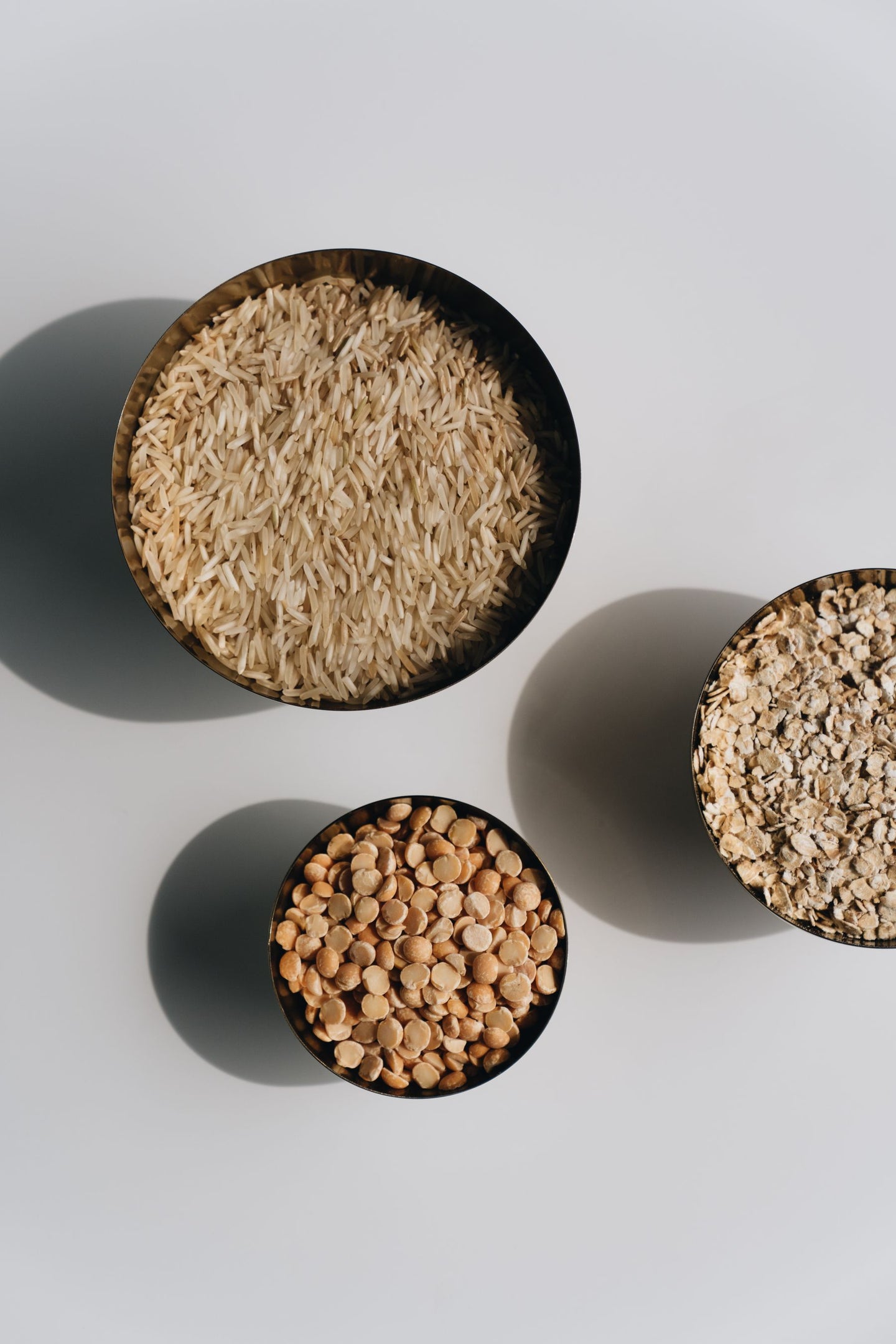
The first useful distinction is between a dietary pattern and a change in that pattern. Have you eaten this way comfortably for years, or recently removed several foods without finding replacements? Did appetite, illness or a busy schedule reduce the amount you eat? Those details can help a dietitian or clinician far more than the word vegan or vegetarian on its own.
Describe a real week
Write down ordinary meals and the points at which eating becomes difficult. Include convenience foods, fortified products and supplements rather than presenting an idealized menu. Note whether meals are missed because of time, money, appetite or uncertainty about what to choose. The exercise should reveal practical obstacles, not become another test of dietary discipline.
If you have recently changed your diet, list what was removed and what replaced it. Removing meat without considering alternatives is a different situation from a varied, established pattern with planned protein sources. The same principle applies to dairy, eggs or entire food groups. A dietitian can help adapt the pattern without assuming that abandoning it is the only solution.
Explain food allergies, gastrointestinal symptoms, medical restrictions and any difficulty preparing meals. A generic menu may not fit those circumstances. If you cannot meet needs comfortably, the next step may involve suitable convenience options, cooking support or clinical assessment. Buying a broad hair supplement should not obscure the specific barrier that made the review necessary.
Ask about nutrients with a reason
Vitamin B12 deserves deliberate planning in vegan and some vegetarian diets. The Office of Dietary Supplements notes that natural sources are limited to animal foods and that fortified foods and supplements can reduce deficiency risk. Read the B12 source record. That supports reviewing reliable B12 provision. It does not mean that hair thinning alone establishes B12 deficiency or that a hair-specific formula supplies the appropriate plan.
Iron and zinc can also belong in a dietary review, depending on intake and circumstances. NIH ODS explains that plant foods supply nonheme iron and that its absorption differs from heme iron. Read the dietary iron record. Their absorption and needs require context; do not infer deficiency from a diet label or a single symptom. A clinician can decide whether targeted testing is useful. A dietitian can help identify suitable foods and preparation approaches without setting a universal supplement prescription for every plant-based reader.
Consider total food and protein intake alongside micronutrients. A menu can contain several nutritious items yet still be insufficient if the overall amount is too limited. Conversely, a varied plant-based routine may meet needs well. The objective is to understand what you eat and what support would improve adequacy, not to rank dietary identities as automatically good or bad for hair.
Put the hair history beside the food history
Record when thinning or shedding became noticeable and whether it was sudden or gradual. Add illness, surgery, childbirth, major weight change and medication changes. If a diet change happened in the same period, include it without declaring causation. A clinician can assess which relationships are plausible and whether more than one explanation is present.
Describe distribution and symptoms. A changing part, distinct patch or painful scalp needs consideration beyond nutritional planning. An existing hair-loss diagnosis is relevant too. Nutritional support may still be appropriate, but it should not become the explanation for every finding or delay assessment of a different condition.
Bring previous test results and supplement labels if available. Ask what each proposed investigation would clarify and how any deficiency would be treated and followed. Avoid collecting a broad laboratory panel simply to reassure yourself that the diet is safe. Useful testing answers a question arising from your history, examination and risk factors.
Use a shopping comparison where the gap is visible. Two plant drinks can look similar on the shelf while their nutrient panels differ. If one is part of your B12 plan, check that nutrient on the actual carton and the serving you use; do not infer fortification from the word plant or from another version of the brand. Keep a photograph or name of a suitable alternative so a sold-out item does not quietly remove that planned source from the week.
Do the same with a reliable protein-containing meal: choose the beans, lentils, tofu or other foods you normally enjoy, then keep a backup you can prepare when the main meal fails. This is more useful than compiling a long list of nutrients without changing what reaches the plate. Bring the resulting week, including any fortified foods and supplements, to a dietitian if adequacy remains uncertain. The example supports deliberate planning without assuming a plant-based diet caused the hair change.
Choose food repairs you can maintain
Select the most obvious obstacle from the weekly record. You might need a convenient protein-containing lunch, a reliable fortified food or a better shopping routine. Ask the dietitian to help turn that need into choices available where you live. A plan made from foods you dislike or cannot afford is unlikely to remain useful after the immediate hair worry settles.
If supplementation is needed for a particular nutrient, keep the reason and instructions clear. A general hair supplement is not necessarily interchangeable with that recommendation. Check overlap before adding products advertised for immunity, energy or stress. More labels do not provide better coverage when the amounts and purposes are not coordinated.
Evaluate the repair through practical outcomes, such as more reliable meals or completion of an agreed treatment plan. Hair appearance may not change quickly, and a lack of immediate cosmetic reward does not erase the value of adequate nutrition. Keep clinical follow-up for the hair concern separate so the food plan is not judged solely by the next shower.
NOURISH is not a complete dietary plan
Folivis NOURISH Hair Growth Supplement is optional adult nutritional support, not a substitute for food, protein or treatment of a documented deficiency. The verified label does not contain iron, and you should not assume that it covers every nutrient needed in a plant-based diet. No vegan certification or allergen-free status has been established here; check the current complete label and manufacturer information if those features matter to you. Adults take four capsules daily with food without exceeding the serving. Do not use it during pregnancy or breastfeeding. Discuss medicines, medical conditions, especially thyroid, autoimmune or liver disorders, and planned surgery with a healthcare professional before use. Choose it only if its actual formula and suitability fit the plan, rather than using the hair category as evidence of complete nutritional coverage.
When shopping for fortified foods, compare the actual nutrient panel rather than assuming all products in the category are fortified alike. A plant drink, nutritional yeast or breakfast product may differ between brands and versions. Bring examples to the dietitian if they are part of your plan. This turns a general instruction to obtain reliable nutrients into a repeatable shopping decision. Keep a convenient alternative available for days when the usual item is unavailable, so the plan does not depend on one exact product always being in stock.
Preserve the useful parts of your choices
You can ask for support that respects your dietary values and still investigates a hair change thoroughly. Bring both goals to the appointment: adequate nutrition within your chosen pattern and an explanation for the scalp concern. If advice is too general, ask for specific alternatives and a review point. A workable plan should leave you with clearer food choices and a sensible route for follow-up, rather than blame attached to a diet label.
Build a backup meal, not a perfect menu
For an illustrative shopping exercise, choose a familiar meal built around beans, lentils or tofu, add the foods you enjoy with it and write down a convenient fallback for a day when cooking fails. Then check the actual label of any fortified drink or breakfast food that supports your nutrient plan. Two similar cartons can contain different nutrients. The purpose is reliability, not a claim that one meal treats hair loss.
Put that plan beside your hair timeline. A diet that has worked for years and a recent period of appetite loss tell a different story from suddenly removing several food groups. Bring both observations to the review. A more precise question leads to more useful support while allowing your eating pattern to remain recognisably yours.