Does Scalp Massage Help Hair Growth? Fingers, Brushes and the Evidence
Understand the small massage study, choose a comfortable technique and decide whether a brush makes your whole scalp-care routine easier.
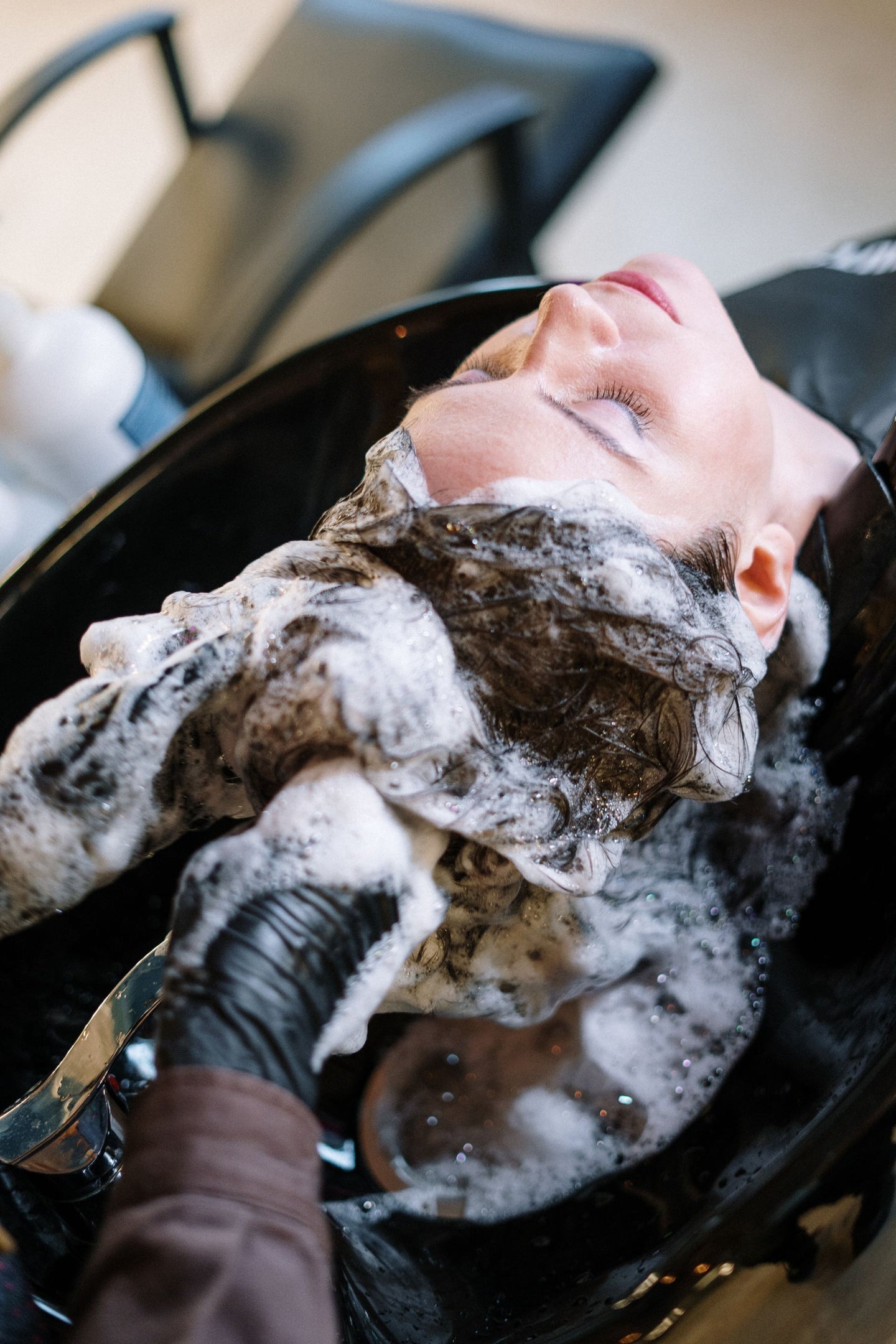
A gentle scalp massage can be a pleasant part of applying a product or taking a quiet moment. A scalp brush may make cleansing feel easier for some people. Neither experience, by itself, proves that mechanical stimulation is producing new hair or treating the cause of thinning.
The useful decision is whether the practice adds comfort or practical value without extra pulling, soreness or an unrealistic commitment. You can choose massage because you enjoy it. You do not need to justify the habit through promises that every follicle will become more active.
This question also matters when a serum label includes gentle massage. The instruction helps describe how to distribute that product. It is not automatically a separate treatment protocol or permission to press harder for a stronger effect.
In a Reddit discussion, someone who bought a scalp massager for a pleasant feel and better access to the scalp found that using it left more tangles and extended detangling time. The complaint highlights a practical question: does the tool make the whole wash easier, or does a comfortable moment create extra work afterwards? It does not establish a result for every brush or hair texture.
Start with the job you want done
For cleansing, the job is helping your fingers reach the scalp and move shampoo comfortably. A tool is optional if fingertips already do that well. For applying a leave-in, the job is distribution in the intended area rather than scrubbing the surface.
For relaxation, the useful outcome is your experience during and after the moment. Keep that distinct from a measurable change in hair. A routine can feel good without being evidence of regrowth, and there is no need to turn every pleasant habit into a clinical claim.
If you are trying to address unexplained thinning, arrange appropriate assessment rather than choosing massage as a way to postpone it. The American Academy of Dermatology emphasizes cause-specific hair-loss care. How hair-loss causes guide treatment A mechanical habit does not establish which condition is present.
Avoid claims that a sore area needs more circulation or that a tingling sensation measures success. Those ideas can make it harder to stop when contact becomes uncomfortable. A sensation is not a validated growth endpoint.
Read the small study carefully
A small 2016 study involved nine healthy men using a standardized massage device for four minutes daily over twenty-four weeks. It reported increased hair-shaft thickness from baseline and included laboratory work on mechanical forces. The study did not establish a density advantage over the control area. Massage study: participants, methods and outcomes
Those details matter because they define what was examined. Nine healthy men are not a broad population of people with different causes of hair loss. A specific device routine is not identical to every brush, fingertip technique or product application.
The study's cell findings are also a different kind of evidence from a personal clinical outcome. A change in cultured-cell gene expression cannot establish that an arbitrary massage routine will regrow someone's hairline or improve a particular scalp disease.
Use the findings to understand the research question, then choose your own comfortable practice for its actual job. A standardized device experiment and a gentle product-distribution movement are different activities. For home care, ease of use, scalp comfort and avoiding tangles are useful outcomes you can assess directly.
For the specific question “will a device reduce my shedding?”, this study does not establish that result. Its measurements concerned hair number, thickness and growth rate; a thickness change is not a count of hairs shed during daily life. Treat comfortable massage as a way to distribute a product or relax, rather than a device-based shedding treatment. Keep it light enough that hair is not pulled or tangled. The study's recorded outcomes explain the distinction; the Folivis scalp-serum application steps show how gentle fingertip contact fits a daily routine.
Decide whether fingers are enough
Clean fingertips allow you to control pressure and notice the scalp directly. Keep nails out of the task. You can use small, comfortable movements without dragging the hair across the skin or repeatedly pulling at the hairline.
If you prefer a brush, look at the practical features: whether you can hold it comfortably, whether its contact points are smooth and flexible enough for your use, and whether it can be cleaned according to its instructions. A dramatic appearance or expensive material does not prove better results.
Check how it behaves in your hair. Does it tangle curls, catch in extensions or encourage longer scrubbing because it feels satisfying? A tool that complicates ordinary handling may not be a useful addition even if it is popular.
Do not treat a brush marketed for scalp care as suitable for every scalp. If skin is painful, scratched, broken or inflamed, put the tool aside and seek advice about the symptoms. Mechanical contact is not the answer to every kind of itch.
Before buying a brush, try the job with clean fingertips. If the purpose is spreading a leave-in, open a part and distribute gently over the nearby skin. If the purpose is a pleasant pause, choose movements that feel comfortable without needing to tug the hair. You can then name what, if anything, a tool would add: easier reach or a preferred feel, rather than an assumed extra growth effect.
If you already own a brush, inspect how it moves through your usual hairstyle. A tool that repeatedly catches on curls or attachments may create more handling than fingers. Put it aside for that task and use the simpler method. If it moves comfortably, clean and use it according to its own directions, without treating tingling, redness or a long session as a score to improve. The useful comparison is whether the tool makes the intended activity easier. It does not need a daily hair-count ritual or a harder-pressure challenge to justify a decision.
Choose comfort rather than a target sensation
You should be able to stop with the skin feeling comfortable. Redness, burning, pain and tenderness are reasons to reassess, not milestones you need to achieve. Avoid using the amount of flaking removed as a measure of effort.
Keep the time modest enough that the habit does not crowd out the rest of your routine. There is no established universal massage duration for cosmetic scalp care. Copying a research duration without its context is not more scientific than choosing a brief comfortable application.
If you notice extra snagging, inspect the technique and tool before assuming that all resulting hairs are normal shedding. Change the angle or use fingers instead. You do not need to continue a method that makes handling rougher.
People with a history of scalp conditions, procedures or significant symptoms should ask their clinician about suitable contact. A generic video cannot account for a healing area, an active rash or a treatment plan you were given.
Do not let tracking create a false result
If you start massage, avoid changing every other product simultaneously and then assigning any improvement to the new habit. Hair appearance varies with styling, washing, lighting and other factors. An uncontrolled personal routine cannot establish the cause of a change.
Likewise, a period without obvious improvement does not mean you failed to massage hard enough. The original goal may have been comfort or easier distribution, and the study did not guarantee a personal result. More force is not a rational response to uncertainty.
If a clinician is monitoring hair loss, keep their assessment plan separate from your optional habit. Mention the products and practices you use, but do not let a massage schedule replace the agreed treatment or review.
How SUPPORT's directions use massage
Folivis 02 / Folivis SUPPORT Hair Growth Serum is once-daily leave-in care applied directly to a clean, dry or towel-dried scalp. Part the hair, distribute across areas of concern and massage gently; do not rinse. Fingers can complete this instruction without a separate device purchase.
Keep the dropper tip from touching the scalp or other surfaces and recap after use. Do not apply to broken or irritated skin, avoid the eyes and stop if irritation occurs. The current label does not specify a milliliter dose or a timed massage prescription.
SUPPORT's cosmetic role is a healthier-looking scalp and fuller-looking hair. The nine-person massage study is not a trial of Folivis and cannot be used to claim that the serum and a brush will reproduce its findings. Nor does massage establish equivalence to a medication.
If you enjoy a gentle moment while applying it, keep that experience in its proper place. The purchase decision is whether the product's role suits your needs; the tool decision is whether it makes use easier. Neither requires a dramatic sensation or a promise that more effort always means more hair.