Swimming and Hair Breakage: A Practical Pool-Day Routine
Keep swimming, protect the lengths and plan a manageable rinse-and-condition sequence around the pool facilities you actually use.
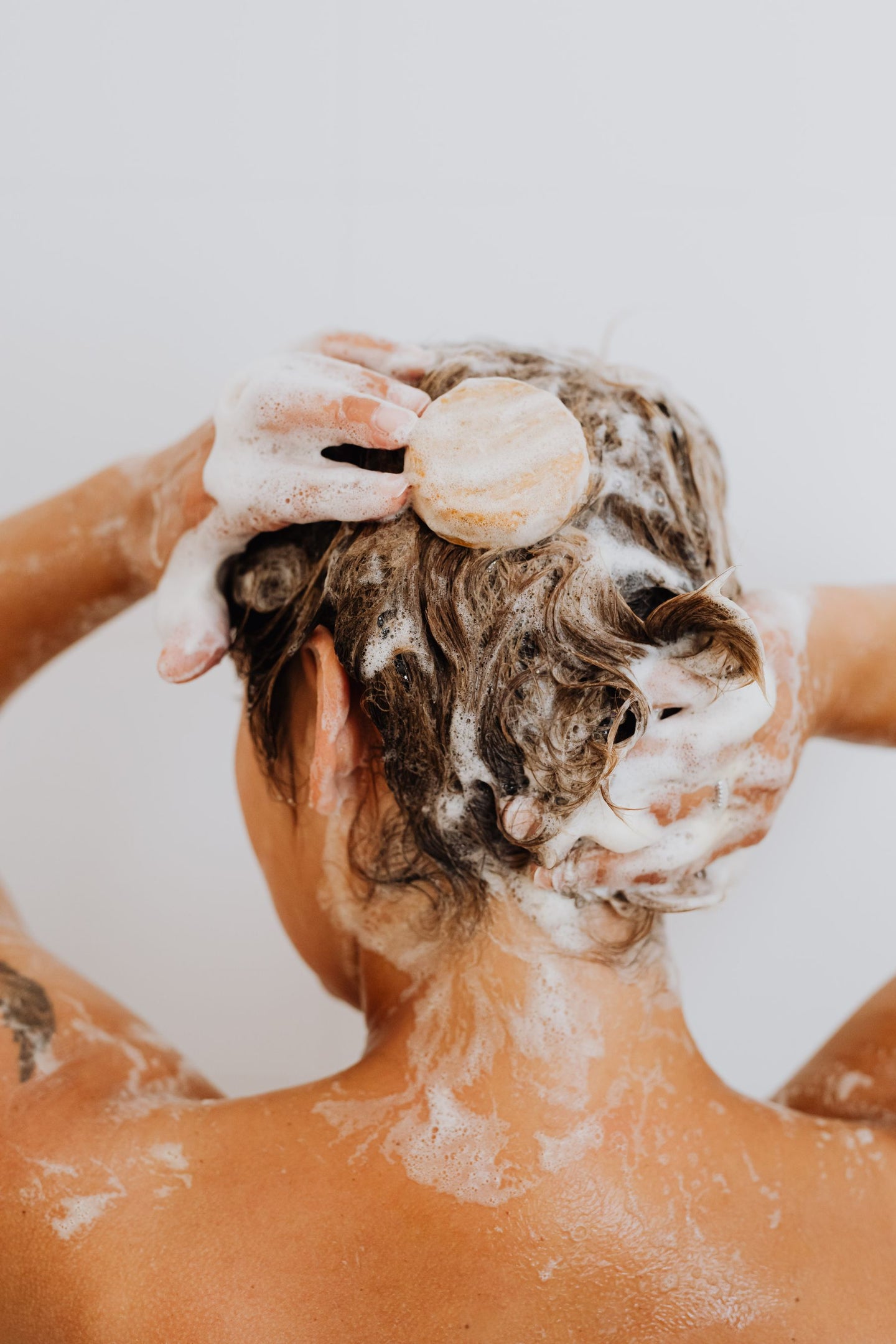
You can enjoy swimming while giving your hair a practical protection and cleanup plan. The key is to separate the hair fibers exposed to pool water from the skin on the scalp, and to distinguish a rough or brittle feel from a biological hair-loss process.
Start by naming the result you want: less tangling, a more comfortable scalp, manageable ends or a simpler changing-room routine. Those goals let you choose a suitable cap, cleanser and conditioner. They also keep persistent shedding or a widening part on its own assessment path.
If you swim regularly, plan around the frequency and facilities you actually have. The best routine for occasional holidays may be too elaborate for several weekly sessions. A smaller plan that you can repeat is more useful than an expensive collection that stays at home.
A Reddit swimmer described hair becoming drier and coarser despite wearing a cap for roughly two weekly pool sessions, and asked how to keep it manageable. The practical concern was not simply whether to buy a cap, but what to review when a familiar protective step had not solved the texture problem. That is a useful question for planning the whole pool-day routine.
Before the pool: prepare access and comfort
Check the pool's rules about products and showering. If you choose a pre-swim conditioner or other hair product, make sure its use is permitted and follow its directions. Do not improvise mixtures or apply a scalp serum as if it were a pool barrier.
A well-fitting swim cap can help manage the hair and reduce direct exposure. It is not a promise that the hair will remain completely dry. Choose a size and arrangement that does not require pulling hard at the edge every time you put it on.
Arrange longer hair so it is not catching or being repeatedly retightened. Avoid a fastening that presses uncomfortably under the cap. A convenient pool style should not add a separate traction problem to the fiber-care concern.
Pack the items you will need after swimming: a cleanser appropriate to the intended job, conditioner for the lengths, a gentle detangling tool and a towel. Having these ready reduces the temptation to leave cleanup until much later simply because the shower bag is incomplete.
Understand the hair-fiber issue
The American Academy of Dermatology describes dryness and brittleness from pool exposure and recommends a practical protection-and-aftercare routine. Dermatology swim-season guidance These are care recommendations, not a study proving that one regimen prevents every broken strand.
Chemically processed hair may need particular attention because its history is different from untouched hair. Tell your colorist how often you swim and whether a pool-heavy holiday is coming. A color plan that ignores those activities may create maintenance demands you did not intend.
A change in color, roughness or feel does not automatically mean follicles have been lost. The hair shaft and scalp need separate descriptions. Do not treat a greenish or dull appearance as a diagnosis of why the part looks wider.
If you have a new patch, persistent shedding or ongoing scalp symptoms, investigate those changes separately. A convenient explanation involving chlorine should not delay assessment of a concern that continues outside pool days.
Give the post-swim rinse a place in the schedule
After swimming, remove the cap gently and rinse with fresh water rather than immediately pulling the wet hair into a tight style. Check whether your facility has the time and space needed for the rest of the routine.
AAD guidance recommends rinsing after swimming and using a shampoo formulated for swimmers, followed by conditioning. Pool-care recommendations If removing pool-related material is your main goal, read a product's actual claim rather than assuming every clarifying or thickening shampoo does that job.
Follow its directions for application and rinsing. A stronger-feeling wash is not automatically more suitable, especially on fragile lengths. Do not increase contact time or combine several cleansers to make up for uncertainty about what is in the water.
If you swim several times a week and the routine leaves the hair difficult to manage, ask a knowledgeable professional to help adapt it. Bring the products and describe the schedule. The adjustment may involve product choice or length care rather than simply washing harder.
Pack for the point where your usual pool routine fails. If you leave the changing room with wet, tangled lengths and do not reach home for hours, a rinse plan that exists only at home is unlikely to happen promptly. Check the facilities beforehand, bring the products and towel you already tolerate, and make room for gentle handling before putting the hair into its travel style. Follow pool rules for any pre-swim preparation.
A workable example is to rinse at the facility, handle the lengths without tight pulling and decide where cleansing belongs according to scalp need and the products used. Another swimmer may have an easier routine at home immediately afterward. Choose the version you can perform rather than copying a list that requires unavailable facilities. At the next swim, review the actual problem: rough ends, troublesome tangling or scalp discomfort. Each points to a different part of the plan; none by itself demonstrates a change in follicle density.
Condition and detangle with the next activity in mind
Concentrate on the areas that feel rough or tangle easily, following the conditioner label. A fine-haired swimmer may want to keep a rich formula away from the roots while giving the ends more attention. A curly-haired swimmer may need a different distribution.
Use sections if they make handling easier, and stop when a tool meets resistance. The goal is not to restore the whole hairstyle instantly in a crowded changing room. You may choose a simpler finish and complete styling later.
Absorb water gently with a towel instead of rubbing repeatedly. If you dry with heat, follow the tool and protectant instructions and avoid making every swim cleanup an extended high-heat session. Consider whether a different finishing style would reduce that workload.
Do not use a single post-swim detangle to calculate how much hair you lost that day. Wet styling, accumulated loose hairs and fiber breakage can complicate what appears in the comb. Persistent changes matter, but the changing-room floor is not a diagnostic instrument.
The scalp has its own signals
Pay attention to burning, itching, a rash or tender bumps rather than dismissing them as normal swimmer discomfort. Record when symptoms appear and whether they occur with a particular pool, product or head covering. Timing provides information without proving the cause.
If symptoms persist, recur or accompany hair loss, seek advice. A clinician can assess the skin and consider the exposure history. Repeatedly adding oil or a leave-in may disguise the feel without answering the problem.
Do not apply optional cosmetic serums through broken or irritated skin. A pool-day routine does not override a product's skin-use warnings. If a prescribed treatment is involved, ask the prescriber or pharmacist how swimming and washing should fit its particular instructions.
Where RESET may fit
Folivis 01 / Folivis RESET Hair Thickening Shampoo can serve an ordinary scalp-cleansing role for fine hair and oily roots, washing away excess oil, buildup and daily residue. Use it on wet hair and scalp with gentle massage and thorough rinsing.
For a chlorine-removing wash, look for a swimmer-specific cleanser with clear pool-care directions. RESET serves the everyday oil-and-residue cleanse; pair your chosen cleanser with a conditioner suited to the lengths.
Evaluate whether a pool-day routine needs RESET at all, particularly if a swimmer-specific cleanser already meets the cleansing need. Buying an additional shampoo is useful only when it fills a distinct gap comfortably. Stop if irritation occurs.
The practical objective is straightforward: an achievable plan before entering the water, a deliberate cleanup afterwards and length care that leaves the hair easier to manage. That lets swimming remain an activity you enjoy while keeping unrelated hair-loss questions on the right path.