Seeing a handful of hair after shampooing can make the next wash feel like a risk. It is tempting to postpone it, avoid touching your scalp, or judge every movement by the number of strands it releases. A more useful goal is to wash comfortably, handle the lengths gently, and notice whether your overall situation is changing. The drain is one observation point, not a diagnosis.
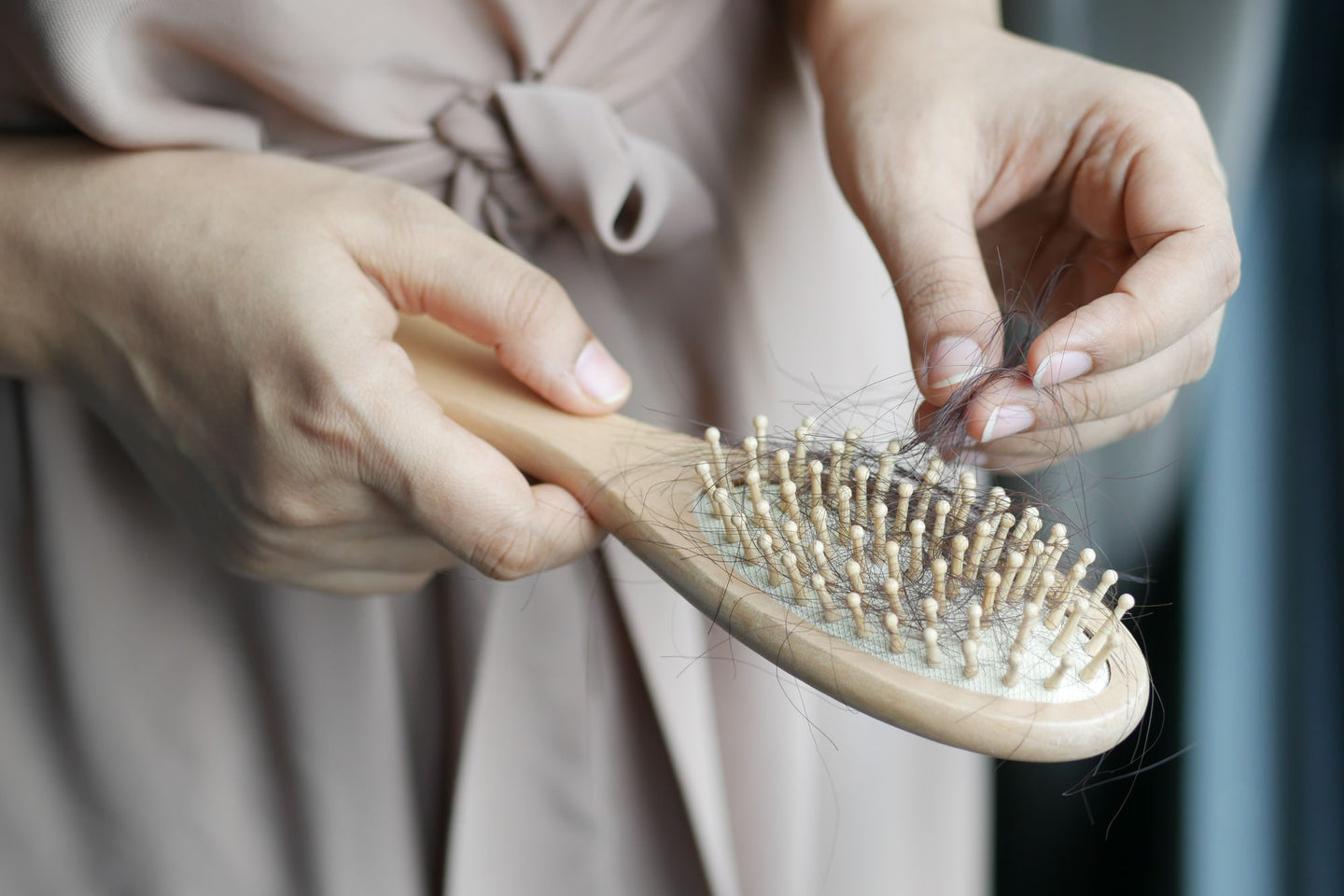
A Reddit discussion in the Telogen Effluvium community described the emotional strain of facing another wash after repeated shedding episodes. A separate menopause discussion connected drain hair with frustration about expensive products. Those are real concerns, but other people's photographs and replies cannot tell you why your own hair is shedding. You can respond to the anxiety without accepting an online diagnosis or buying a new treatment immediately.
What wash day can and cannot tell you
Washing makes loose hair visible because you are handling the scalp and collecting strands in one place. The amount you notice also depends on time since the previous wash, hair length, detangling practices, and where loose hairs usually end up. A larger wash-day collection after a longer gap is difficult to compare with a smaller collection after a shorter gap. It does not, by itself, show that shampoo caused a new follicle problem.
That does not mean every shampoo suits every person. Burning, a new rash, increasing discomfort, or breakage after rough handling deserves attention. Separate the questions: did the product irritate the skin, did the lengths tangle and snap, or was there more whole-hair shedding? You may not be able to answer confidently at home. Describing the sequence clearly is enough to make a clinician or hair professional's advice more useful.
Before changing your routine, write one sentence about the main problem. Examples might be an uncomfortable scalp during washing, knots that take twenty minutes to remove, or several weeks of unusual shedding. These are examples of observations, not patient stories. Choosing the central difficulty keeps a bottle advertised for volume from becoming your attempted answer to pain, or a supplement purchase from replacing an assessment.
A wash you can follow from start to finish
Begin by deciding what usually makes washing difficult. If it is the sight of loose hair, keep the drain out of your immediate view and clean it once afterward. If it is tangling, give the lengths enough time and conditioning slip. If it is scalp burning, treat that as a product or skin problem rather than a reason to rub harder.
Prepare the route. Put cleanser, conditioner, towel and your usual detangling tool within reach. Separate a large tangle gently before it becomes a wet knot if that suits your texture. Curly or coily hair may be easier to detangle with conditioner instead. Choose the method that lets strands move without a tugging contest; dry brushing is not a universal requirement.
Clean the scalp. Wet the hair and apply shampoo to the scalp, using fingertip pads rather than nails. Move through the scalp without bunching the lengths into a ball. With long hair, let the lengths lie in their usual direction. Rinse thoroughly so leftover cleanser does not become tomorrow's uncomfortable residue.
Condition the lengths. Use a conditioner appropriate for your hair, especially where it tangles. Work a stubborn section slowly instead of dragging a tool from the scalp to the ends in one stroke. Start where the knot is easiest to release and support the hair above it with your hand so the pulling does not travel to the roots.
Dry with less friction. Blot or wrap gently rather than scrubbing with a towel. Use a comfortable drying method and avoid unnecessary high heat. The goal is manageable hair, not a perfect finish achieved by repeatedly stretching fragile sections.
Close the task. Clean the drain, put the tools away and continue with the day. An empty drain is not the measure of a successful wash. A clean, comfortable scalp and lengths you can handle are achievable goals even while a shedding episode is being assessed.
| The hardest part | Change for the next wash |
|---|---|
| Long knots at the nape | Give that section its own detangling time and conditioning slip |
| An oily, coated scalp after delaying washes | Resume cleansing based on scalp comfort rather than drain fear |
| A burning reaction to a new shampoo | Stop that product and address the reaction |
| Repeated inspection during washing | Clean up once at the end and keep the routine moving |
| Rushing leads to forceful brushing | Reserve time for the troublesome section or simplify the style |
If you use a prescribed scalp medicine, keep its application and washing instructions visible. Plan the wash around those directions rather than rinsing a treatment off early or doubling the next application. The wash method above changes handling; it does not alter a medicine's dose.
Choose frequency by comfort and practicality
There is no wash schedule that can be prescribed from a drain photograph. Oiliness, exercise, styling products, hair texture, skin conditions and the time needed to dry your hair all affect what is practical. Consider how your scalp feels between washes. If delaying washing leaves it itchy or coated, avoidance may make the routine harder. If frequent washing leaves the lengths difficult to manage, adjust handling and conditioning rather than assuming you must stop cleansing.
Try one modest change at a time. You might prepare your tools earlier, use a less stressful detangling sequence, or allow more time so you are not rushing. Keep products stable while you assess that change. Switching shampoo, scalp oil, supplement and brush together makes it difficult to identify what improved comfort or caused irritation. A useful routine is one you can repeat without turning every wash into an experiment.
A cleanser that has one clear job
Folivis RESET Hair Thickening Shampoo is a 300 mL rinse-off cleanser for fine hair and oily scalps. Its niacinamide and panthenol formula makes it relevant when excess oil, buildup or daily residue is the part of wash day you want to address. That is a specific reason to choose it rather than buying a whole routine because the drain looks frightening.
Apply to wet hair and scalp, massage gently into a lather and rinse thoroughly; repeat if needed according to the label. Keep the cleansing movement on the scalp and handle the lengths gently. Choose conditioner separately for their needs; RESET does not remove the need to manage tangles.
Use comfort, cleansing and manageability to decide whether the shampoo suits you. Avoid the eyes and stop if irritation occurs. Persistent unusual shedding still deserves its own assessment, and a scalp disorder may need a different treatment. You can review Folivis RESET's directions while keeping that medical question separate from your cleanser choice.
Know when the plan needs professional help
Arrange an assessment if the change is persistent, visibly progressing, patchy, or accompanied by scalp symptoms. Share recent illness, surgery, childbirth, dietary changes and medication changes, even when they happened months earlier. Hair shedding can have delayed triggers, and more than one cause can coexist. You do not have to identify the right category before making the appointment.
Also mention how much the problem is affecting daily life. Avoiding showers, losing sleep before wash day, or spending hours comparing strands is useful information about the burden you are carrying. Support for that burden can happen alongside a scalp assessment. Your next successful wash does not have to produce an empty drain. It needs to leave you clean, reasonably comfortable, and able to continue your day with a clear next step.