Salicylic Acid for Scalp Buildup: How to Choose the Right Wash
Understand the scale-loosening role, distinguish ordinary residue from recurring flakes and use the finished cleanser as directed.
Topic: Hair Growth Ingredients: Peptides, Caffeine and More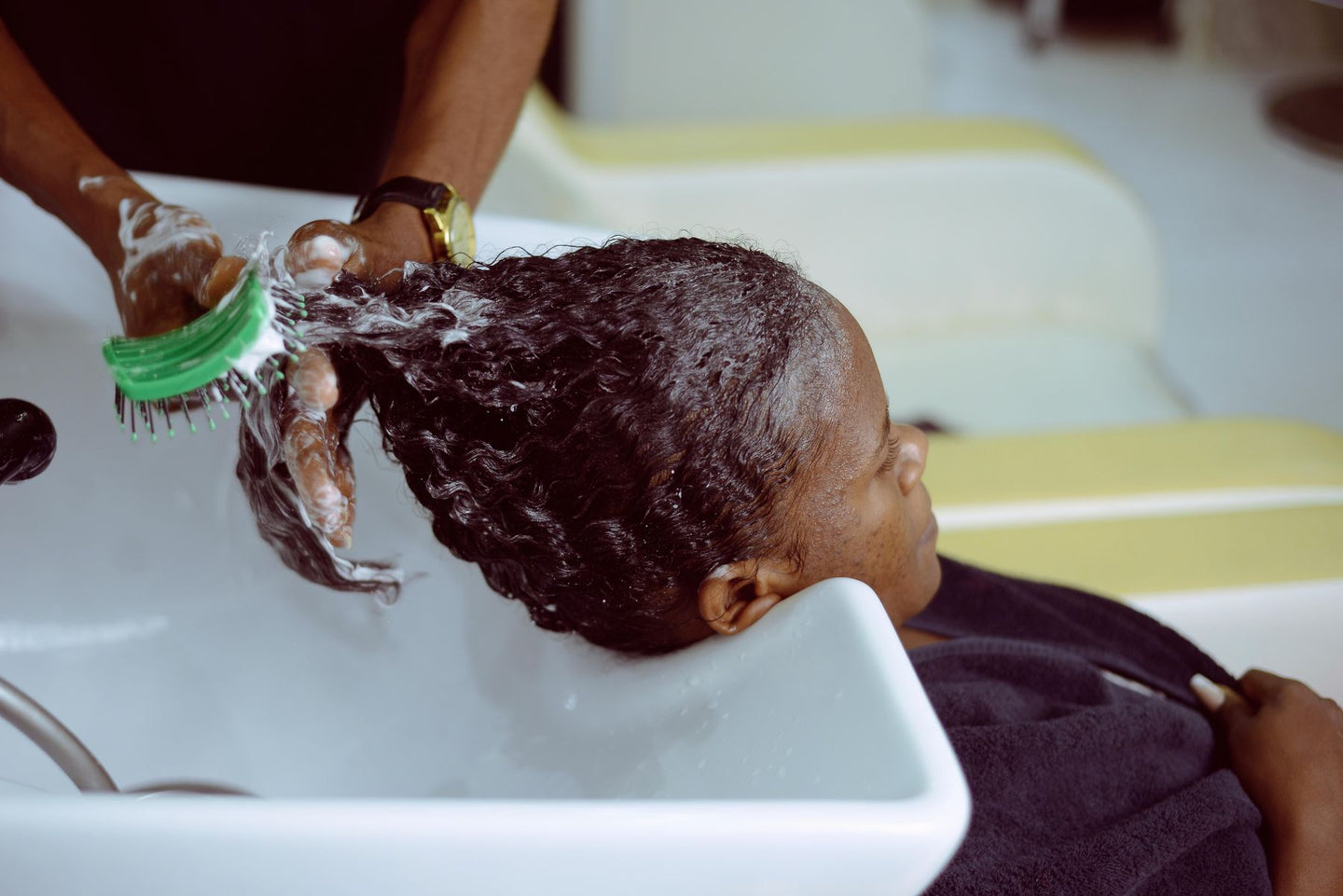
Salicylic acid helps loosen dry, scaly skin in products formulated for that purpose. For scalp care, choose by the finished product's directions and the problem you want to address: ordinary oil and styling residue call for thorough cleansing, while recurring or inflamed scale needs its own assessment. Folivis RESET Hair Thickening Shampoo includes salicylic acid within a rinse-off cleanser for excess oil, buildup and daily residue.
In Reddit scalp-care discussions, people describe oily roots, itchy areas and small particles without knowing whether they need more cleansing or more moisture. These descriptions explain the frustration, but they do not identify one cause. Visible flakes are a symptom to observe, not a diagnosis you can settle by choosing an acid.
The useful question is whether a labeled product fits an uncomplicated cleansing problem, or whether the symptoms need a different approach. More exfoliation is not automatically the answer to either one.
Describe the residue before treating it
Start with where and when you notice it. Is the material mainly around roots after several days of dry shampoo or styling products? Is there loose flaking soon after washing? Are there red areas, tenderness, sores or persistent itch?
Write down the wash products and styling products that actually reach the scalp. A leave-in intended for the lengths, an oil applied to the roots and repeated dry shampoo use can all change what you notice there. The timing may help identify a practical routine problem without proving that every flake is product residue.
Also separate what the scalp looks like from how the hair feels. Flat roots can make the whole head feel dirty even when the main issue is styling weight. Conversely, scaling with inflammation deserves attention even if the lengths look freshly washed.
Avoid scraping the area to collect a better sample. A photograph of the undisturbed scalp and a clear description of the timing are more useful than repeatedly picking at the same patch. If symptoms persist, those observations can support an assessment.
Understand what the ingredient can and cannot establish
MedlinePlus describes topical salicylic acid as a keratolytic used in condition-specific preparations to help loosen and soften dry, scaly skin. Salicylic-acid action and product-specific use Different products use different strengths, forms and directions. That description does not make every cosmetic shampoo a medicine for every scaling condition.
For a buyer, formulation is central. A rinse-off cleanser containing salicylic acid is not interchangeable with a concentrated leave-on treatment or a medication for another body area. Do not borrow a wart-treatment instruction or a facial-acid routine for the scalp.
It is also a mistake to assume that more loosening means better hair growth. Removing residue or scale and treating the cause of hair loss are separate outcomes. An ingredient's exfoliating role cannot establish that a finished formula reverses a widening part or repairs a damaged follicle.
If the label does not disclose a concentration, the product name, ingredient order or another brand cannot supply it. Follow the labeled use rather than increasing strength, contact or frequency through a home-made application plan.
Work through one wash without escalating the routine
Start by looking at intact skin without scraping. If it is already sore, red, swollen, broken or infected-looking, avoid an acid experiment and obtain advice about the symptoms. Medication guidance for salicylic acid includes these cautions. The goal is not to remove visible material at any cost.
For uncomplicated residue, wet the hair and scalp, place the chosen cleanser where oil and styling products collect, massage gently with fingertips and rinse thoroughly. With RESET, a repeat wash is optional if needed; its directions do not provide a prolonged acid contact time. A thorough rinse is part of the result, not a step to shorten because the product has active-sounding ingredients.
After drying, compare comfort and manageability. If the roots are clean but the ends feel rough, adjust conditioning and handling on the lengths. If roots remain coated, consider which styling or dry-shampoo products are being placed there. You may solve that burden by changing placement rather than adding an exfoliating leave-in.
If flaking persists, choose the appropriate category. AAD guidance lists dandruff shampoos with specific active ingredients, including ketoconazole, selenium sulfide and salicylic acid, among others. Choosing a dandruff product Follow the exact treatment product's directions and seek assessment for severe or persistent symptoms. RESET's cosmetic ingredient list does not make it equivalent to every product in that category.
Before adding a scrub or second acid, review the products already touching the scalp. The practical aim is one understandable cleansing routine, with a separate treatment if needed. Burning or tightness is not evidence that buildup is finally being removed. Stop an irritating cosmetic and address the reaction rather than alternating increasingly strong products to counter one another.
Use RESET as the cleanser it is
Folivis 01 / Folivis RESET Hair Thickening Shampoo includes salicylic acid with piroctone olamine, niacinamide, caffeine and other listed ingredients. Its defined role is washing away excess oil, buildup and daily residue, particularly for fine hair and oily scalps.
Frequency remains a matter of scalp, hair and tolerance. A label containing salicylic acid does not require daily washing, and a wish to preserve styling does not justify leaving an uncomfortable scalp unaddressed. Find a wash pattern you can sustain without ignoring symptoms.
Know when the problem has moved beyond buildup
Persistent or severe flaking, painful areas, spreading redness, discharge or hair loss alongside scalp symptoms need more than a stronger cleansing experiment. Several conditions can produce a flaky scalp, and their management is not determined by the appearance of a few particles.
If a product causes irritation, stop using it and review the routine. Do not counter burning with an oil, then counter the oil with another acid, while continuing everything else. This makes the source of discomfort harder to identify and delays a clearer decision.
For a practical follow-up, note which areas improved after ordinary cleansing and which remained unchanged. Include whether the scalp felt comfortable the next day, rather than judging only the squeaky feeling during the shower. A harsh sensation is not a measure of thoroughness.
Before the next purchase, decide which outcome you need: less visible residue between washes, a different styling finish, or assessment of recurrent scaling. A cleanser may address the first. An adjustment to where styling products are placed may address the second. The third calls for help identifying the cause.
Finish the wash with clean, comfortable roots rather than a harsher sensation. If the same scaling or discomfort keeps returning, change the question from how to exfoliate more to what the scalp actually needs.
Scalp exfoliation and hair conditioning belong in different places
A common routine problem is trying to use one product to make both roots and ends feel the same. The scalp may carry oil and styling residue while older lengths feel rough from handling. Cleansing the roots and conditioning the lengths lets you address both needs without repeatedly adding heavier products to the scalp or stronger exfoliation to the ends.
For example, after a suitable rinse-off wash, apply your usual conditioner according to its own instructions and focus on the areas that need detangling. Keep the rinse thorough around the roots. Assess the dry result before deciding that a remaining texture issue requires a second acid product. This is a practical sequence, not a treatment schedule for a diagnosed scalp condition.
The AAD specifically advises matching dandruff-shampoo use to hair type and following the product's label. MedlinePlus likewise describes different salicylic-acid preparations for different uses. Those details support a simple buying rule: choose the finished format for the area and concern you actually have. With Folivis RESET Hair Thickening Shampoo, that format is a rinse-off cleansing step. Keep any separate medicated scalp plan and the cosmetic wash clearly organised so each product has a defined purpose.